Who We Are
The LEAD DeKalb (Local Efforts towards Addressing Disparities in DeKalb) initiative, created in 2014, is working to improve health, prevent chronic disease, and reduce health disparities in underserved communities.
How We’re Contributing
Improving Nutrition
By providing food service operators with tools to offer healthier options and by expanding fruit and vegetable voucher and prescription programs, we’re increasing access to healthy foods.
Promoting Physical Activity
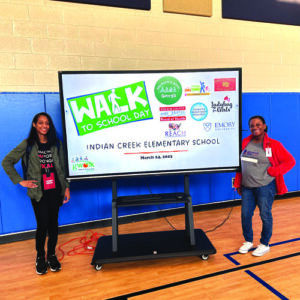
With community design improvements, like updating sidewalks, crosswalks, and pathways, we’re enhancing walkability to everyday destinations.
Implementing Family Healthy Weight Programs
To help children with overweight or obesity make progress toward a healthier weight through positive behavior changes, we’re providing comprehensive, family-based lifestyle change programs.


Our Community Impact
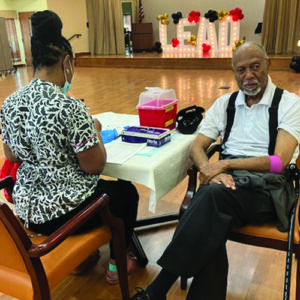
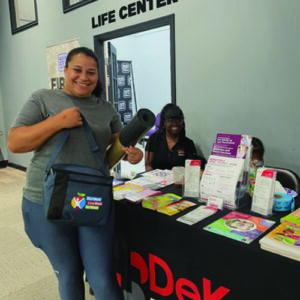
- Increased awareness of and access to COVID-19, flu, and other adult vaccinations through mobile clinics, community members and organizations, and funding to organizations to conduct outreach.
- Vaccinated 22,000+ adults against COVID-19 and flu at mobile clinics.
- Successfully trained over 500 trusted messengers across DeKalb County.
- Provided convenient access to fresh produce for 32,000+ shoppers through a mobile farmers market.
- Trained parents to advocate for healthy school policies.
- Created safe routes for kids to walk or bike to school.
- Provided breastfeeding support to over 300 mothers in DeKalb County.
- Increased access to safe, affordable places for physical activity for 13,000+ residents.
- Encouraged doctors to prescribe exercise in parks.
- Sponsored classes to prevent type 2 diabetes.
- Facilitated engagement from over 170 community members and stakeholders in a countywide needs assessment to inform future programming efforts.
- Led a countywide Perspectives on Social Drivers of Health assessment engaging 345+ residents to identify factors impacting health outcomes and inform future public health initiatives.
- Led the development and publication of a peer-reviewed manuscript in Health Promotion Practice focused on virtual and hybrid implementation models for faith-based Shared-Use Agreement implementation.